Understanding Your HVAC System
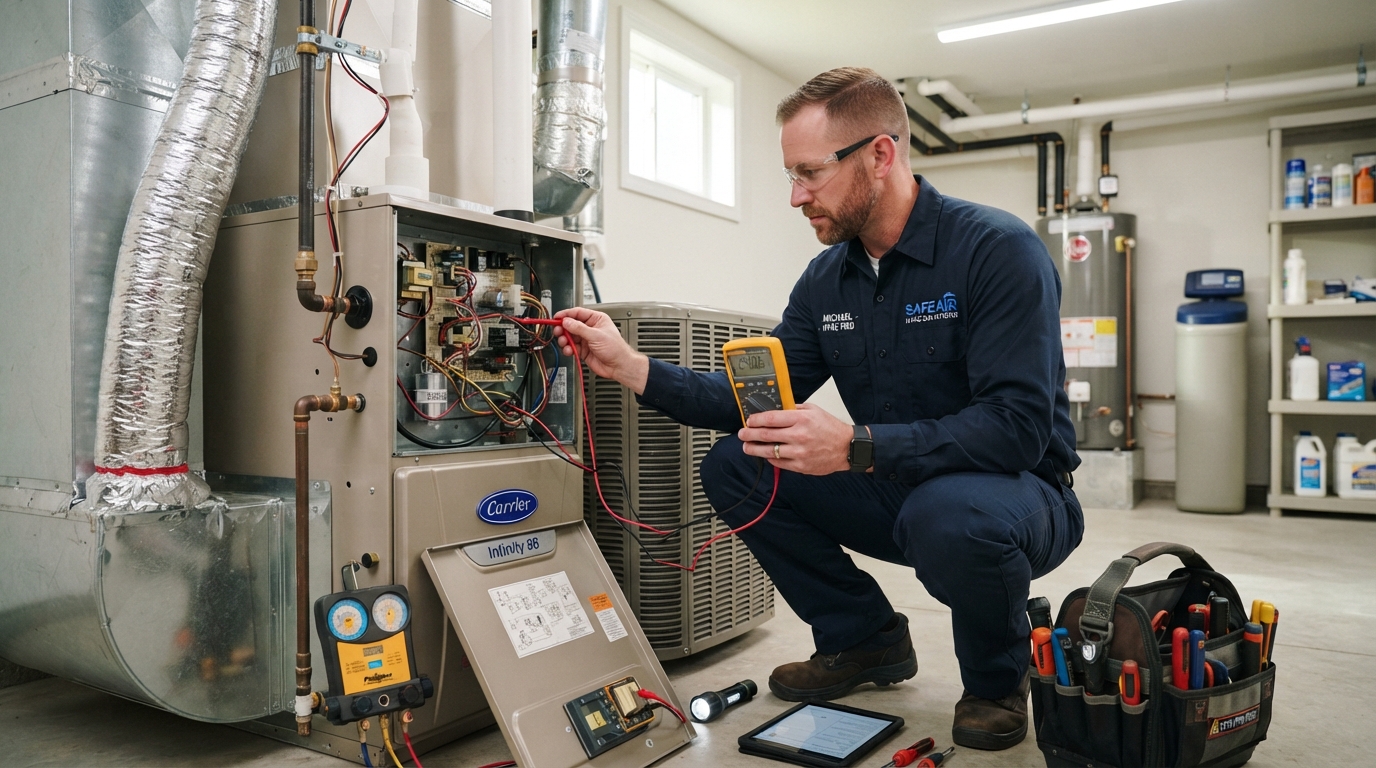
Every component of your HVAC system plays a crucial role in maintaining your home's climate control. Here's a breakdown of key components and how to troubleshoot them:
Evaporator Coils
Absorb heat from your home's air during cooling and act as a heat source in heat pump systems.
Learn More: Indoor Air Quality (IAQ) EssentialsCondenser Coils
Release heat outside in AC mode and absorb heat from the outside air in heating mode for heat pumps.
Compressor
Circulates refrigerant, essential for both cooling and heating cycles.
Blower Motor
Circulates air through the ductwork to distribute conditioned air throughout your home.
Homeowner Troubleshooting Tips
Use these tips to identify and resolve common HVAC problems:
Airflow Issues
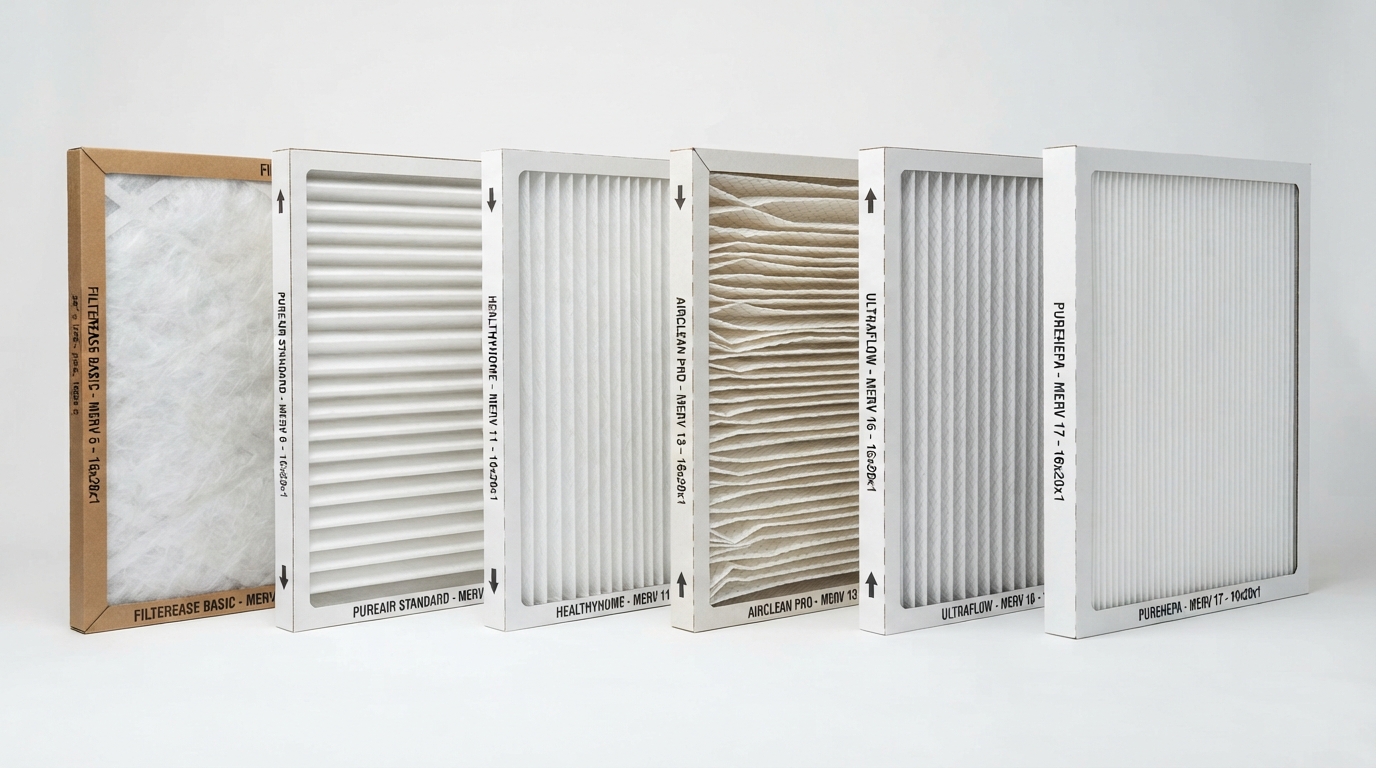
Clean air filters regularly and adjust vents for balanced airflow.
Uneven Heating or Cooling
Adjust vents and remove obstructions to achieve consistent temperatures.
Strange Odors
Inspect and clean accessible areas of the HVAC system to eliminate unusual smells.
Insufficient Heating or Cooling
Cooling: Check for frost or ice buildup on the evaporator coil. Heating: Verify the gas shutoff valve is open and replace dirty furnace filters.
No Cooling or Heating Operation
Inspect for tripped circuit breakers or blown fuses. Reset the furnace switch and ensure the power switch is on.
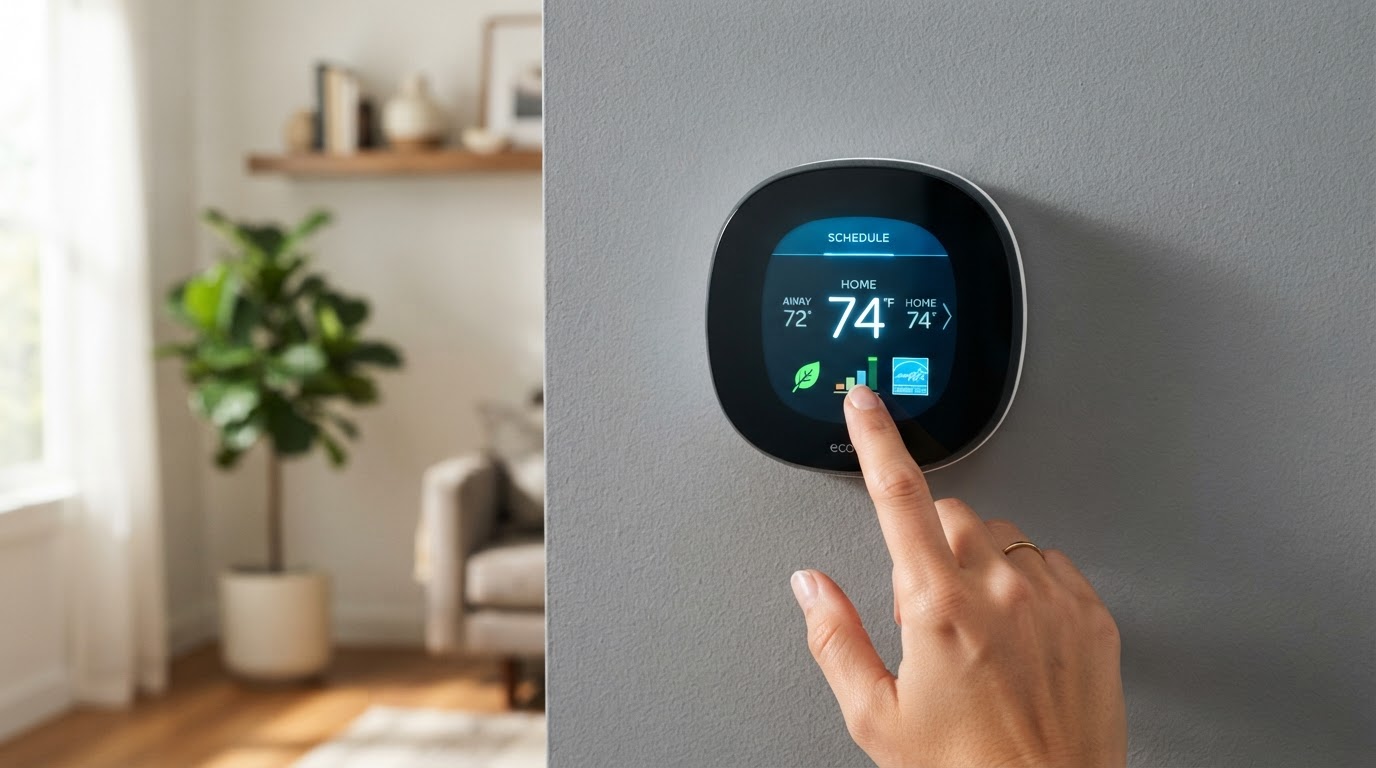
Thermostat Troubleshooting Tips
These thermostat tips can help resolve unresponsive or inaccurate temperature readings:
Incorrect Temperature Readings
Sensor Cleaning: Wipe the sensor gently with a soft cloth. Recalibration: Some thermostats allow recalibration via the user manual.
Thermostat Not Responding
Battery Check: Replace batteries if necessary. Power Connections: Ensure proper connection. System Reset: Reset to default settings per manufacturer instructions.
HVAC System Not Turning On/Off
Settings Configuration: Verify thermostat settings. Wiring Issues: Inspect for loose connections or wear.
Important Note: Before attempting any thermostat repairs, always turn off the power to the indoor unit or furnace to avoid damaging circuits or blowing a fuse. Consult a qualified HVAC technician if unsure.
Energy Efficiency Tips
Follow these steps to maximize your system's efficiency:
Smart Temperature Settings
Set programmable thermostats to recommended temperatures.
Air Circulation
Use ceiling fans to enhance air circulation.
Seal Leaks
Seal gaps around windows and doors to minimize heat loss.
Regular Maintenance
Schedule seasonal checkups before peak seasons.
Unusual System Noises
Banging, whistling, or humming sounds could be a sign of loose screws or obstructions. Electrical clicking noises may indicate relay issues, which require a professional inspection.
Banging / Rattling
Possible cause: Loose screws or obstructions in the system.
Whistling / Humming
Possible cause: Airflow restrictions or ductwork issues.
Clicking
Possible cause: Relay issues, which require a professional inspection.
Enhanced Maintenance Strategies
Seasonal Checkups
Schedule before peak heating/cooling seasons.
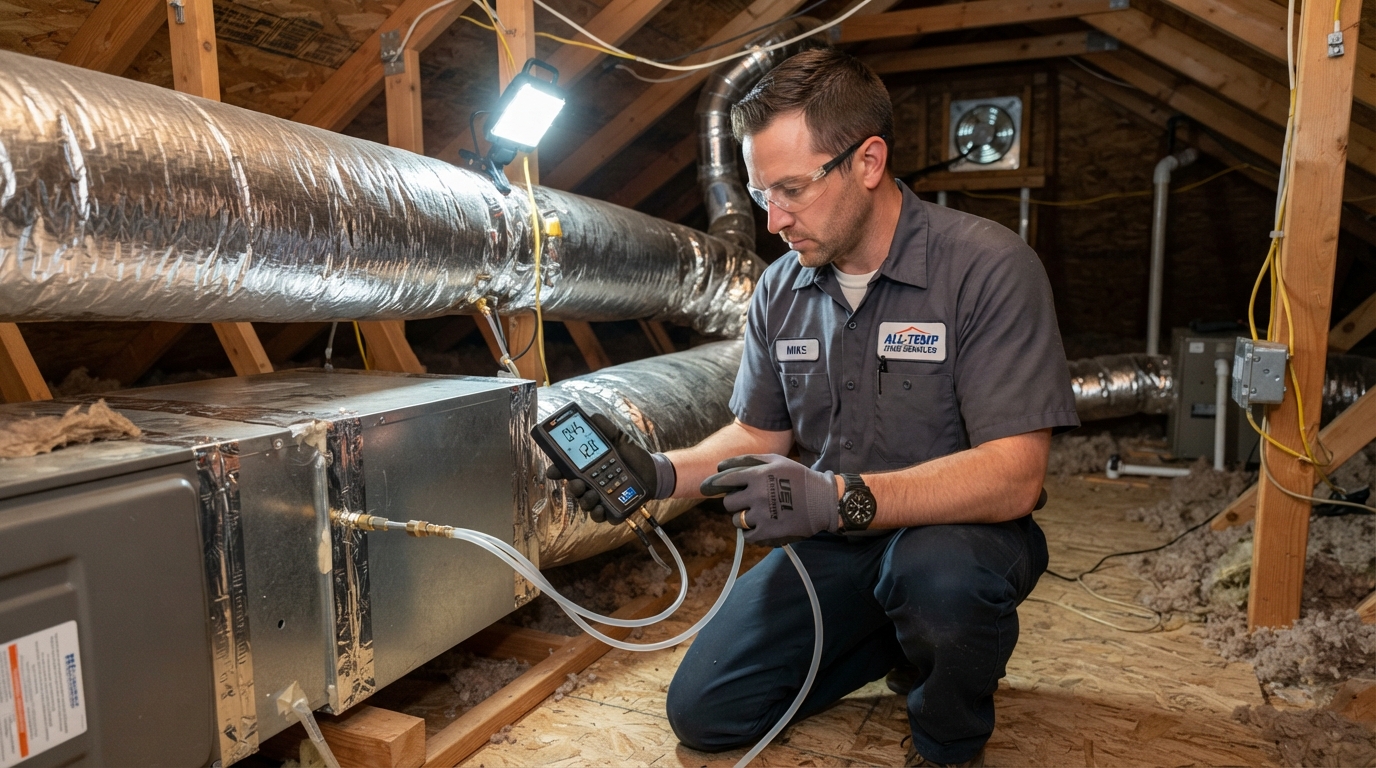
Evaluate Ductwork
Check for leaks and insulation quality.
Keep Outdoor Unit Clear
Remove foliage and debris around the condenser.
Improve Insulation
Reduce HVAC workload with better attic insulation.
Conclusion
This guide can help you stay ahead of common HVAC issues and keep your system running smoothly. A little maintenance goes a long way in avoiding costly repairs and keeping your home comfortable. And if something does come up, the team at Tyndall HVAC is here to help with honest, practical solutions.
Ready to Get Started?
Our certified technicians at Tyndall HVAC are ready to help with honest, practical solutions for your home. Serving Contra Costa County with expert HVAC services since 2006.
Schedule a Professional HVAC VisitWritten by Tyndall HVAC Team
The Tyndall HVAC Team is dedicated to providing Contra Costa County homeowners with expert advice, energy-saving tips, and reliable heating and cooling solutions.
Schedule a Consultation