Understanding Static Pressure
Think of static pressure as the resistance your HVAC system faces when pushing air through its ductwork and equipment. It's like pushing air through a straw — when the straw is wide, air moves easily with little resistance. When the straw is narrow, it takes more effort because of the increased resistance.
Low Static Pressure
Air flows easily through wide, open ductwork. Think of water moving freely from a garden hose with nothing blocking the end.
High Static Pressure
Air struggles through ductwork that is too small or obstructed. It's like putting your thumb over the end of a garden hose where the water speeds up and pressure builds.
Why Static Pressure Matters
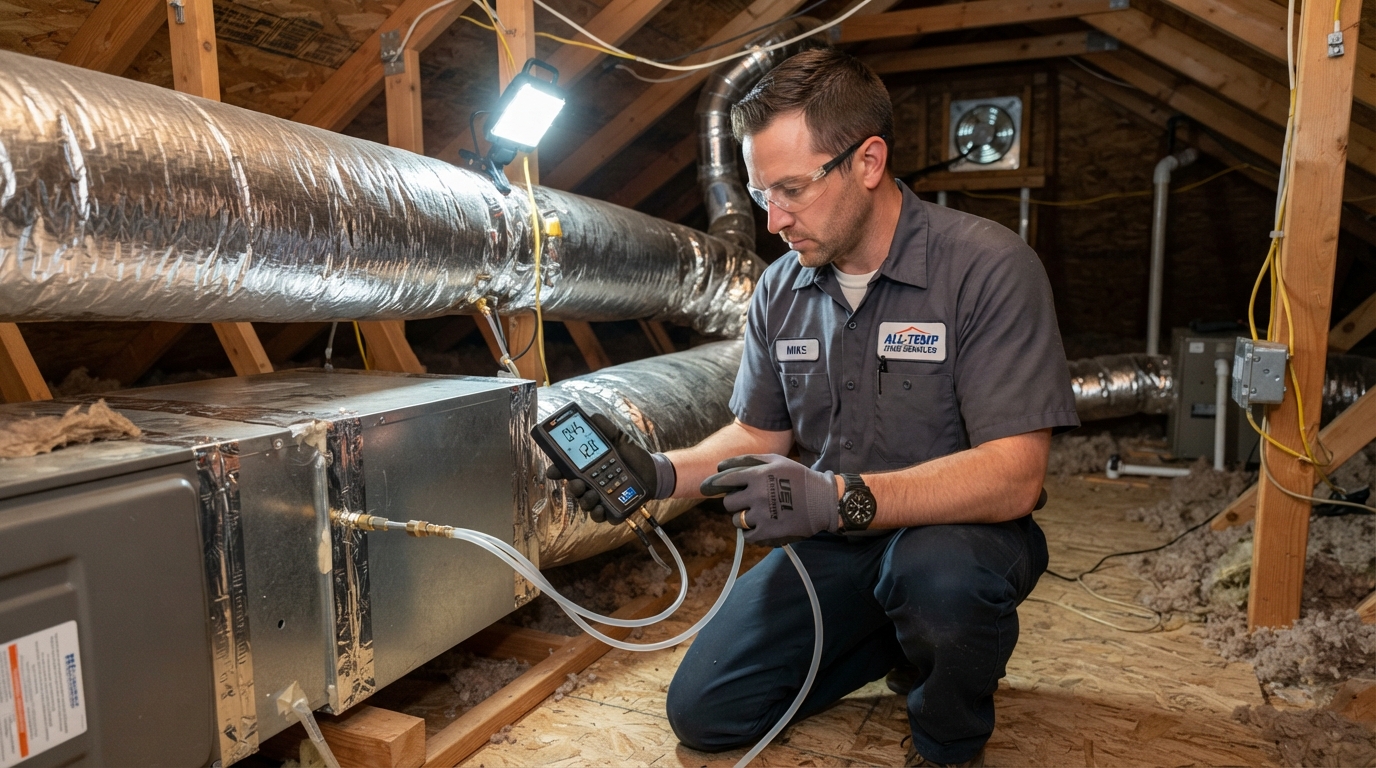
At Tyndall HVAC, we often talk about static pressure when discussing ductwork, filters, and HVAC equipment. Incorrect static pressure can strain your system, reduce efficiency, and even cause it to shut down completely.
Key Impacts
Incorrect static pressure forces the blower motor to work harder, strains every mechanical component, reduces efficiency, increases energy costs, and can cause safety switches to trip.
Effects of Poor Static Pressure
Increased Noise
High static pressure makes the system louder as air pushes forcefully through the ductwork. Whistling or rumbling sounds may occur, and the blower may sound like it is overworking.
Longer Operating Times
When static pressure is off, the system runs longer without reaching the right temperature. This increases energy bills and creates hot and cold spots.
Faster Wear on Parts
Motors, fans, and other equipment wear out faster under strain, leading to more repairs and a shorter lifespan.
Leaking Ductwork
While static pressure does not cause leaks directly, it can make existing ductwork leaks worse. Low static pressure can signal leaks, while high static pressure forces more air through gaps.
Air Quality Issues
Poor airflow affects humidity control and overall air quality. Some rooms may feel too humid or too dry, and comfort suffers.
Return vs. Supply Static Pressure
Return: Low
Often caused by oversized return ductwork or multiple return grilles. This is ideal and usually needs no correction.
Return: High
Caused by undersized return ductwork, clogged filters, or blocked vents. This increases energy use and noise. Solutions include replacing or cleaning filters and checking ductwork and vents.
Supply: Low + High Airflow
Caused by well-designed ductwork. This is ideal for consistent comfort.
Supply: Low + Low Airflow
Caused by damaged, disconnected, or leaking ductwork. Repairs or sealing are needed.
Supply: High
Caused by undersized ductwork, blocked vents, or closed dampers. This restricts airflow, increases energy use, and creates noise.
Load Calculations and Proper Sizing
Accurate load calculations are key to selecting the right-sized equipment for your home or business. We use Manual J calculations to determine precise heating and cooling needs. Correct sizing prevents static pressure problems and keeps your system efficient.
Load Calculations
We perform detailed Manual J calculations for accurate equipment and ductwork sizing.
Custom Ductwork
Based on calculations, we install ductwork that improves airflow and efficiency.
Proper Equipment Sizing
Oversized systems increase static pressure and waste energy. We install the right-size system for comfort and efficiency.
Common Static Pressure Fixes
Most static pressure problems come from airflow restrictions or ductwork sizing.
Filters
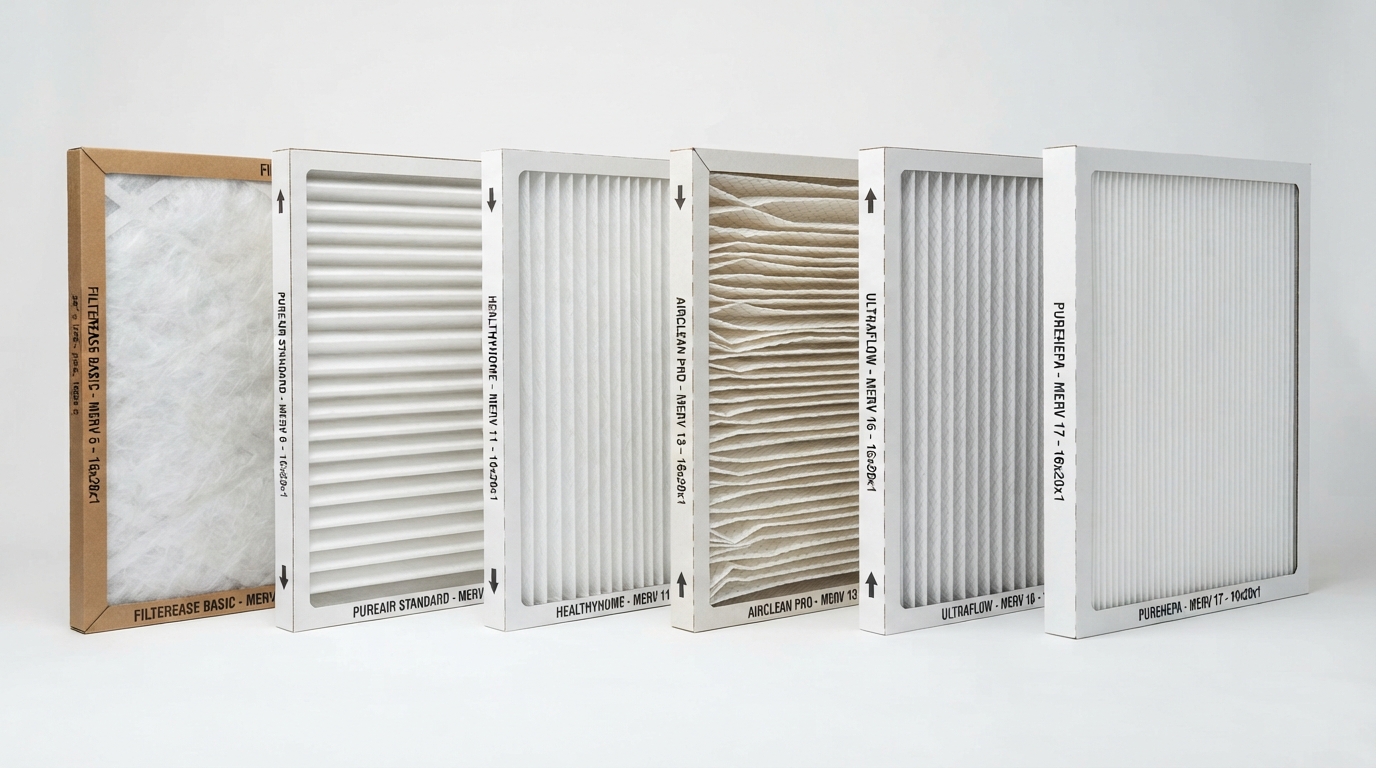
Dirty or restrictive filters make the blower motor work harder. Replace disposable filters regularly and clean washable filters to maintain proper airflow.
Ductwork Sizing
Ductwork that is too small creates high static pressure, while oversized or leaky ductwork causes low pressure. Correctly sized and sealed ductwork keeps airflow balanced and efficient.
Preventing Static Pressure Issues
- ✓Schedule regular HVAC maintenance
- ✓Make sure your equipment and ductwork are correctly sized with Manual J load calculations
- ✓Replace filters on time and keep vents clear
Ready to Get Started?
Our certified technicians at Tyndall HVAC are ready to help with honest, practical solutions for your home. Serving Contra Costa County with expert HVAC services since 2006.
Schedule Airflow & Static Pressure AssessmentWritten by Tyndall HVAC Team
The Tyndall HVAC Team is dedicated to providing Contra Costa County homeowners with expert advice, energy-saving tips, and reliable heating and cooling solutions.
Schedule a Consultation